Bimbo Font Uppercase A-I: An Embroidery Review
As a professional embroidery designer constantly sourcing reliable assets for commercial projects, I approach every new font with a healthy dose of skepticism. When browsing Creative Fabrica embroidery collections for upcoming Back To School orders, the Bimbo Font Uppercase a to I caught my eye. It promises high-quality personalization capabilities, but as anyone running a handmade business knows, a pretty screen preview does not always translate to clean stitches on fabric. After integrating this machine embroidery design into my workflow for custom apparel and personalized gifts, here is my honest evaluation of how it performs in real-world production scenarios.
First Impressions and Visual Personality
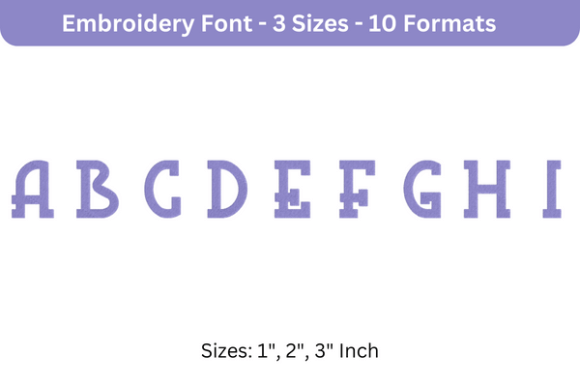
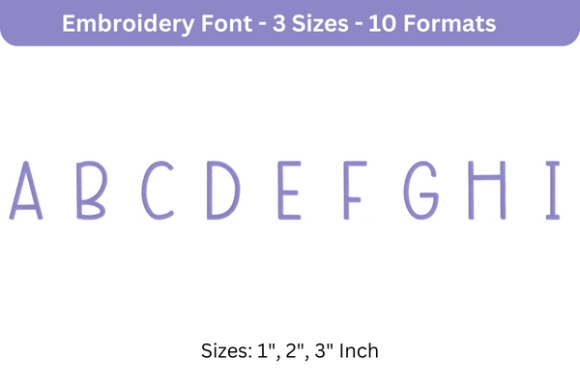
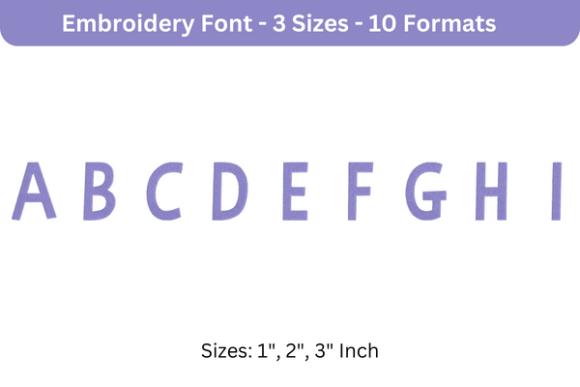
The Bimbo Font Uppercase a to I immediately strikes a balance between playful and legible. In the digital embroidery file preview, the letterforms exhibit a rounded, approachable aesthetic that feels inherently nostalgic yet modern enough for current boutique trends. For designers creating nursery decor or children’s custom apparel, this visual mood is essential. It avoids the overly cartoonish look that can cheapen a finished product while steering clear of rigid block letters that lack character.
What stood out during my initial assessment was the apparent stitch path logic. Even before hooping fabric, the design assets suggested a thoughtful digitizing process. The curves appeared smooth rather than jagged, indicating that the satin stitch columns were likely mapped correctly to prevent puckering. This attention to detail is crucial when you are selling embroidered patches or tote bag designs where crisp edges define the perceived value of the item.
Performance on Custom Apparel and Stretchy Fabrics
I tested Bimbo Font Uppercase a to I specifically for sweatshirt embroidery, a staple in my Etsy shop during the fall season. Sweatshirts present unique challenges due to their stretch and texture. Many fonts fail here, either sinking into the fleece or causing tunneling between letters. Fortunately, this font held its structure remarkably well on mid-weight cotton blends.
The stitch density appears optimized for knit fabrics without being excessively heavy. Overly dense fonts can create bulletproof patches on soft garments, leading to customer complaints about comfort. Bimbo Font managed to maintain coverage without compromising the drape of the sweatshirt. However, proper stabilizer selection remains non-negotiable. I used a medium-weight cutaway stabilizer with temporary spray adhesive to ensure registration stayed true. If you attempt this on lightweight jersey or performance wear, you may need to adjust your tension or add a topping to prevent the stitches from cutting through the fibers.
Navigating Small Hoop Sizes and Tiny Lettering
One of the most common questions I receive from fellow crafters is whether a font remains readable at smaller sizes. While Bimbo Font Uppercase a to I shines at standard chest logo sizes, testing it near the lower limits of small hoop sizes revealed important practical considerations. The uppercase letters A through I maintained clarity down to approximately one inch in height, provided the design was not resized beyond the digitizer's intended parameters.
When working with tiny lettering for tags, cuffs, or baby items, always inspect the stitch type. If the letters rely heavily on satin stitch at small scales, they risk becoming thin lines that disappear into textured fabric. For this specific font, I found that keeping the size within the recommended range preserved the intended fill stitch and satin stitch balance. Always verify the minimum size specifications in the product details on Creative Fabrica before committing to a bulk order of baby blankets or kitchen towels. Resizing a digital embroidery file arbitrarily is the fastest way to ruin stitch integrity.
Commercial Viability for Etsy Sellers and Boutiques
For creative entrepreneurs, the bottom line is whether a font adds value to your commercial embroidery offerings. Bimbo Font Uppercase a to I has proven versatile enough to justify its place in my permanent library. Its readability makes it excellent for names and dates, which are the primary drivers of sales in the personalized gift market.
I utilized this font for a series of canvas tote bag designs intended for teachers. The boldness of the uppercase letters ensured high visibility in product photography, which directly correlates to click-through rates on Etsy listings. Furthermore, the consistent baseline and spacing reduced the time I spent manually kerning letters in my embroidery software. Time savings in the digitizing and layout phase directly impact profit margins for small business owners. When producing printable mockups for client approval, the font rendered cleanly, helping secure buyer trust before a single needle pierced fabric.
Practical Notes for Dark Fabrics and High Contrast
Testing on dark navy and black fabrics highlighted another strength: edge definition. On dark backgrounds, poor digitizing often results in a halo effect or gaps where the fabric shows through. Bimbo Font Uppercase a to I demonstrated solid edge compensation, resulting in opaque lettering even when using white thread on black cotton. This is vital for Back To School backpacks or caps where contrast is key.
However, thread color selection matters. Because the font has personality, highly variegated or metallic threads can sometimes obscure the letterform details. For the sharpest results, I recommend solid polyester or rayon threads. If you plan to use specialty threads, run a test stitch-out first to ensure the stitch density supports the thicker thread weight without causing breaks or bird nesting.
Essential Pre-Production Checklist
Before adding Bimbo Font Uppercase a to I to your next production run, adhere to these professional best practices to ensure consistent quality:
- Verify Licensing: Always confirm the specific license terms on the Creative Fabrica product page. Ensure your subscription or purchase covers commercial use for the physical products you intend to sell.
- Test on Scrap Fabric: Never stitch directly onto a customer’s garment without a test run. Use the exact fabric and stabilizer combination planned for the final piece to check for registration issues.
- Check File Compatibility: Confirm the embroidery file format matches your machine’s requirements. While most platforms offer multiple formats, verifying this prevents downtime.
- Inspect Stitch Density: If resizing is necessary, use professional embroidery software to recalculate stitch density rather than simply stretching the design. This preserves the structural integrity of the satin and fill stitches.
- Evaluate Washability: For items like aprons, kitchen towels, or baby blankets that require frequent laundering, test the durability. Ensure the stitch length is sufficient to withstand agitation without unraveling.
- Review Cap Specifics: If using this for curved cap surfaces, verify if the font includes cap-specific formatting. Standard flat fonts often distort on curved brims unless properly mapped.
Final Thoughts for the Professional Digitizer
Bimbo Font Uppercase a to I represents a solid addition to any embroidery designer’s toolkit, particularly for those focusing on personalized apparel and seasonal goods. Its blend of aesthetic charm and technical reliability makes it suitable for both boutique merchandise and high-volume craft fair products. While no single font solves every challenge, this design asset minimizes common pitfalls associated with decorative lettering.
Remember that even the highest quality machine embroidery design requires operator skill. Your choice of stabilizer, needle size, and fabric preparation will ultimately determine the success of the finished product. By treating Bimbo Font as a professional tool rather than a magic solution, and by adhering to rigorous testing protocols, you can confidently create custom apparel and handmade gifts that delight customers and uphold your brand’s reputation for quality. Always refer back to the original product listing for the most accurate technical specifications and usage rights before beginning your next project.