Harrington Font GHI: A Designer’s Stitch Test
First Impressions of Harrington Font GHI
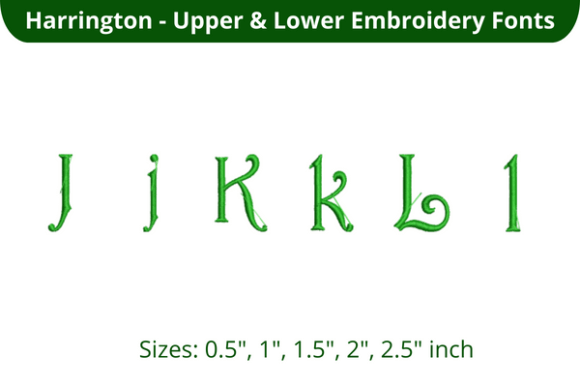
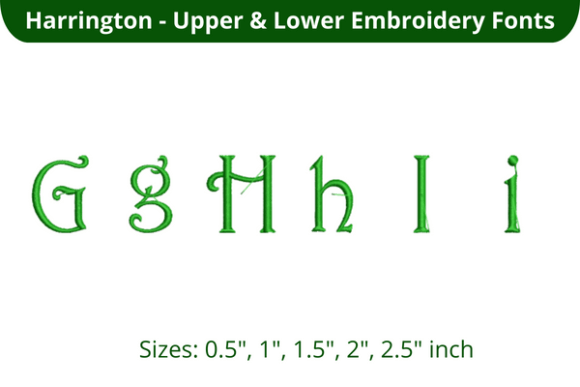
When evaluating a new typeface for machine embroidery, I look beyond the digital preview. The screen tells me what the font looks like, but only the needle tells me how it behaves. My first impression of Harrington Font GHI is that it strikes a difficult balance between vintage charm and modern legibility. It possesses a distinct personality that feels approachable yet refined, avoiding the overly cursive loops that often cause registration issues on textured fabrics. For an embroidery designer or Etsy seller, this font immediately signals versatility. It does not scream "novelty," which makes it a strong candidate for products intended to have a longer shelf life than a passing trend.
The letterforms in Harrington Font GHI suggest a satin stitch foundation with enough width to remain stable without becoming bulletproof. Visually, it carries a nostalgic weight that aligns perfectly with Back To School themes, yet it remains neutral enough for year-round custom apparel. As I loaded the embroidery file into my software, the spacing appeared generous, which is a critical indicator of quality. Tight kerning in digitized fonts often leads to puckering, but this design seems to respect the physical limitations of thread and fabric tension.
Real-World Application: The Custom Sweatshirt Test
To truly judge this asset, I applied it to a real-life scenario: creating a personalized crewneck sweatshirt for a boutique client who wanted a collegiate-style name across the chest. Sweatshirt embroidery presents specific challenges due to the fleece backing and stretchy knit face. I chose Harrington Font GHI because its structure promised clarity against the fabric texture.
During the stitching process, the font performed admirably. The stitch density was sufficient to cover the fleece nap without requiring excessive underlay that could stiffen the garment. This is vital for commercial embroidery where wearer comfort dictates repeat business. The letters maintained their shape despite the stretch of the sweatshirt material. For small shop owners and makers, this reliability reduces the risk of wasted blanks. If you are producing holiday embroidery or nursery decor, this font translates that same warmth to cotton canvas tote bags and linen pillow covers. It reads clearly from a distance, ensuring your handmade product photographs well for printable mockups and social media listings.
Versatility Across Product Categories
Beyond apparel, Harrington Font GHI shows promise for various craft business items. Its clean lines make it suitable for:
- Baby Embroidery: The soft aesthetic works beautifully on onesies and blankets, provided the sizing is adjusted to maintain stitch integrity.
- Kitchen Linens: Tea towels and aprons benefit from the font’s readability, making personalized gifts feel professional rather than homemade.
- Patches and Caps: While curved surfaces require careful hooping, the font’s proportions allow for manageable distortion correction.
- Digital Assets: For sellers of digital embroidery files, this typeface offers customers a reliable option for names and dates that won't fail during production.
Navigating Fabric Limitations and Hoop Sizes
No embroidery design is universal, and Harrington Font GHI requires thoughtful application. While it excels on stable knits and woven cottons, caution is necessary when working with high-pile textures like terry cloth or minky. On these fabrics, the finer details of the font may get lost unless you use a water-soluble topping and appropriate stabilizer. Always test on scrap fabric first; what works on a quilt block may fail on a stretchy jersey knit.
I also advise checking your hoop size constraints before committing to large quotes or long names. Because this is a specialized font set, scaling down too aggressively can compromise the satin stitch columns. If the letters become thinner than 1mm, they risk breaking needles or fraying. For tiny lettering on baby clothes or cuff details, verify that the minimum height retains enough stitch density to be durable. Dark fabrics present another consideration; ensure your thread colors offer high contrast, as the classic styling of Harrington Font GHI relies on clear definition to maintain its visual appeal.
Critical Designer Notes for Success
Professional results come from preparation. Before using this machine embroidery design for a paid order or a new product line, consider these practical steps:
- Verify Licensing: Confirm whether your purchase includes commercial rights for selling finished products or if it is limited to personal use. This protects your craft business legally.
- Stabilizer Matching: Pair the font with the correct backing. Cutaway stabilizer is generally best for stretchy custom apparel, while tear-away may suffice for woven tote bag designs.
- Mockup Testing: Create black and white mockups to check contrast. A design that pops in color might disappear in grayscale photography, affecting buyer engagement.
- Wash Testing: If selling baby embroidery or kitchen linens, wash a sample. Ensure the stitch density holds up to frequent laundering without unraveling.
- Thread Tension Check: Run a test stitch-out to confirm your machine’s tension is balanced. Uneven tension will show more prominently in the smooth satin stitches typical of this font style.
Elevating Brand Value Through Typography
In the saturated market of Etsy sellers and apparel decorators, typography distinguishes a premium brand from an amateur hobbyist. Harrington Font GHI contributes to a cohesive brand identity by offering a consistent, high-quality voice across different mediums. When customers see clean, professional stitching on an embroidered patch or a personalized gift, their trust in your work increases. They recognize that you have selected design assets specifically for embroidery, not just converted a standard computer font.
This attention to detail directly impacts perceived value. A sweatshirt embroidered with a well-digitized, appropriately sized font commands a higher price point than one with gapping stitches or illegible text. For creative entrepreneurs, investing time in understanding how Harrington Font GHI interacts with different materials pays dividends in customer satisfaction and positive reviews. Whether you are preparing for the Back To School rush or building a year-round catalog of personalized goods, this font serves as a dependable tool in your digital library.
Final Thoughts on Production Readiness
Harrington Font GHI earns its place in a professional embroiderer's toolkit through its blend of aesthetic appeal and technical stability. It avoids the common pitfalls of decorative fonts while retaining enough character to make projects feel special. However, success ultimately depends on the maker’s willingness to test and adapt. Treat this embroidery project as a collaboration between the digitizer’s intent and your machine’s capabilities. By respecting fabric limitations, verifying stitch density, and prioritizing washability, you transform a digital file into a tangible, sellable asset that reflects true craftsmanship.