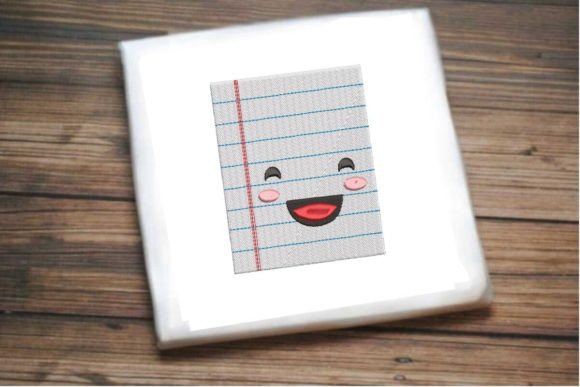
Cute White Paper: A Seller’s Review
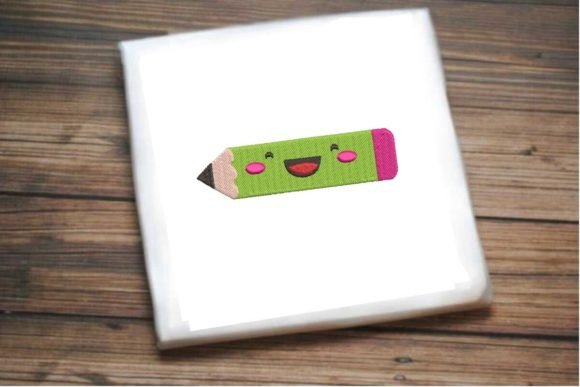
As an Etsy seller and small business owner constantly scouting for fresh inventory, finding the right machine embroidery design is about more than just aesthetics. It is about viability, stitch quality, and marketability. When browsing Creative Fabrica embroidery collections for the upcoming season, the "Cute White Paper" design immediately caught my attention. Described as a charming school tools motif featuring a mignone white paper crafted with meticulous precision, this digital embroidery file presents a unique opportunity for back-to-school product lines. However, before adding any new asset to my commercial embroidery rotation, I evaluate it through the lens of production efficiency and customer appeal. Here is my honest assessment of how this design translates from screen to finished product.
Evaluating Visual Appeal and Market Fit
The first question I always ask when reviewing a new embroidery file is whether it solves a problem for my customers. The Back To School category is saturated with generic pencils and apples. Cute White Paper offers something different by focusing on the stationery itself. The term "mignone" suggests a dainty, petite aesthetic that leans heavily into the feminine, vintage-inspired academic trend currently popular on social media. This does not feel like a bold, masculine graphic; rather, it feels elegant, nostalgic, and soft.
For handmade product sellers, this visual personality dictates where the design will succeed. It is likely too delicate for heavy-duty workwear or rugged backpacks. Instead, it screams boutique merchandise. I can envision this design anchoring a collection of personalized gifts for teachers, students, and stationery enthusiasts. The charm lies in its specificity. While general school icons are common, a dedicated paper motif appeals to journalers, scrapbookers, and those who appreciate the tactile joy of writing. This niche focus often converts better on Etsy than broad, generic terms because it targets a passionate sub-segment of buyers.
Best Product Applications for Small Shops
Based on the description and implied style, I have identified several high-potential applications for this design in a small shop setting. When planning your inventory, consider these specific pairings:
- Tote Bag Design: Canvas totes are a staple for students and teachers. Because the design features white paper, stitching it onto natural unbleached canvas or pastel-colored cotton creates a beautiful contrast. The "cute" factor makes it an impulse buy at craft fairs.
- Kitchen Towel Embroidery: Teachers love themed kitchen towels. A tea towel featuring this charming paper motif, perhaps paired with a custom name, serves as an excellent end-of-year gift. Flour sack towels provide a smooth surface that highlights meticulous precision in stitching.
- Sweatshirt Embroidery: For apparel, placement is key. This design seems best suited for left-chest placement on crewneck sweatshirts or cardigans. It acts as a subtle accent rather than a massive center chest graphic, aligning with current minimalist fashion trends.
- Baby Embroidery: If the stitch count allows for resizing without losing detail, this could work beautifully on baby bibs or blankets for a "smart baby" theme. Always verify the minimum size requirements in the embroidery file details to ensure the paper edges remain crisp.
- Embroidered Patch: Given the distinct shape of a piece of paper, this design is a prime candidate for creating standalone patches. These can be sold as add-ons or applied to denim jackets and pencil cases, expanding your product range without needing new base garments.
Production Notes: Stitch Quality and Practicality
A pretty picture on a screen does not guarantee a profitable finished product. As experienced embroiderers know, the transition from digital embroidery file to physical item requires technical diligence. The product description mentions "meticulous precision," which is promising but must be verified. Before listing any items using Cute White Paper, you must perform a test stitch-out.
Pay close attention to the stitch density. Designs depicting paper often utilize fill stitches to create a solid white appearance. If the density is too high, it can cause fabric puckering, especially on lighter materials like quilting cotton or tote canvas. Conversely, if it is too low, the fabric grain may show through, ruining the illusion of a crisp sheet of paper. During your sample run, experiment with different stabilizer combinations. A medium-weight cutaway might be necessary for apparel to support the fill areas, while a tear-away could suffice for tighter-weave home decor items.
Thread colors also require strategic planning. Since the subject is white paper, using pure white thread on white fabric will result in a tonal, textured look that photographs poorly. I recommend testing off-white, cream, or light grey threads to define the edges of the paper against light backgrounds. Alternatively, use this design exclusively on colored fabrics where white thread pops. Always check the color sequence in your machine software to ensure there are no unnecessary jumps or trims that could slow down production during batch runs.
Merchandising and Photography Strategy
In the digital marketplace, your photography sells the product before the customer ever touches the embroidery. Cute White Paper has inherent advantages here. Stationery-themed designs are naturally photogenic and easy to style. When creating listings, avoid flat-laying the embroidered item in isolation. Prop the tote bag or sweatshirt with actual vintage paper, fountain pens, or reading glasses to reinforce the "charming school tools" narrative.
This contextual styling helps the buyer visualize the item as part of a lifestyle. It elevates the perceived value from a simple stitched object to a curated aesthetic experience. Furthermore, because the design is likely compact, ensure your listing thumbnails are zoomed in sufficiently. Online shoppers scroll quickly; if the intricate details of the paper design are lost in a wide shot, they will keep scrolling. Crop your primary image to show the texture and precision of the stitches clearly.
For social media previews and printable mockups, this design offers versatility. You can easily integrate it into digital planners or promotional graphics for your shop. However, remember that a digital mockup should never replace photos of the actual stitched product for your main listing images. Buyers want to see how the thread interacts with the fabric. Use mockups for variety shots or color option displays, but anchor your trust with real production samples.
Licensing and Commercial Viability
Finally, no evaluation is complete without addressing the legal and commercial aspects. As an Etsy seller or craft business owner, protecting your shop is paramount. Before purchasing Cute White Paper on Creative Fabrica, you must read the specific license terms attached to that embroidery file. Licenses vary significantly between designers. Some allow unlimited sales of finished products, while others cap the number of units or prohibit mass production.
Confirm whether the license covers the specific items you intend to sell. Some licenses differentiate between apparel and home decor, or between physical goods and digital transfers. Never assume a standard commercial license applies. Taking five minutes to verify these terms prevents future headaches and ensures your business remains compliant. Additionally, check the included file formats to ensure compatibility with your specific machine brand. While most designers include universal formats like PES, DST, and JEF, it is better to confirm availability before checkout.
Ultimately, Cute White Paper appears to be a strong contender for sellers targeting the feminine academic niche. Its potential for tote bags, apparel, and personalized gifts aligns well with current market demands. By combining careful technical testing with strategic styling and strict licensing adherence, this charming design could become a profitable staple in your back-to-school or year-round stationery-lover collections. Always prioritize the sample stitch-out to validate the "meticulous precision" promised in the description, ensuring your customers receive the high-quality handmade product they expect.