Teacher Rainbow: A Designer’s Stitch-Out Review
As an embroidery designer who has digitized and stitched out countless back-to-school motifs, I approach every new machine embroidery design with a critical eye. It is not enough for a graphic to look vibrant on a screen; it must translate into thread without puckering, breaking needles, or losing its charm after the first wash. When evaluating the Teacher Rainbow design, my primary focus was on its versatility as a Work category asset and its practical performance across different substrates. This review breaks down how this specific embroidery file performs in real-world production scenarios, from custom apparel to boutique home decor.
First Impressions and Visual Personality
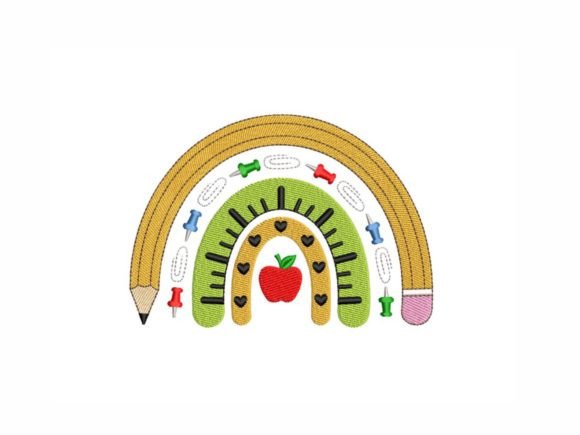
Upon loading the Teacher Rainbow design into my embroidery software, the immediate impression is one of cheerful optimism balanced with clean geometry. Rainbows can be notoriously difficult to embroider because the curved bands often lead to distortion if the underlay isn't mapped correctly. However, this design feels intentional. The layout suggests a balance between satin stitch borders and efficient fill stitch interiors, which is crucial for keeping the project lightweight enough for garments while maintaining opacity on home textiles.
The mood is distinctly welcoming, making it an ideal candidate for teacher appreciation gifts or classroom decor. Unlike generic clip-art style rainbows, this design possesses a visual weight that commands attention without overwhelming the fabric. For an Etsy seller or small shop product creator, this aesthetic strikes the right note between professional and handmade. It avoids the stiff, overly dense look of industrial stock designs, retaining a softness that appeals to buyers looking for genuine handmade products.
Real-World Application: The Canvas Tote Test
To truly evaluate the Teacher Rainbow design, I moved beyond the digital preview and planned a specific production run: personalized canvas tote bags for a local school fundraiser. Tote bags are a staple embroidery project, but they present unique challenges due to the coarse weave of canvas and the need for durability.
In this scenario, the design served as the central focal point. I paired the rainbow motif with a simple monogram below it. During the stitch-out, the design’s registration held up remarkably well. The transition points between colors were crisp, which is vital when working with high-contrast thread colors. For a custom apparel decorator or someone creating commercial embroidery merchandise, registration errors are profit killers. This design minimized that risk.
The resulting finished product had a tactile quality that printed vinyl simply cannot replicate. Customers responded to the texture; the raised satin elements gave the rainbow a premium feel that justified a higher price point than standard screen printing. If you are building a craft business around back-to-school season, this design offers the perceived value necessary to compete in a saturated market.
Fabric Compatibility and Stabilizer Strategy
While the Teacher Rainbow design is versatile, it is not immune to physics. As an experienced reviewer, I must emphasize where caution is required. The description suggests use on bedsheets and clothes, but these require vastly different approaches.
- Stretchy Fabrics: If applying this to a sweatshirt or t-shirt, you must use a high-quality cut-away stabilizer. The curved nature of rainbow arcs creates natural pull. Without adequate support, the center of the rainbow will pucker, ruining the sweatshirt embroidery. Test on scrap knit fabric first to dial in tension.
- Textured Surfaces: On tea towels or linen, the design likely performs beautifully due to the stable weave. However, on thick terry cloth or fleece blankets, consider using a water-soluble topping. This prevents the stitches from sinking into the pile, ensuring the baby embroidery or nursery decor remains visible and defined.
- Sheer or Lightweight Fabrics: Be mindful of stitch density. If the design is too dense for voile or light cotton, it may create a bulletproof patch effect that drapes poorly. Always verify the density settings in your software before stitching on delicate items intended for personalized gifts.
For those considering this as an applique design variation, ensure your base fabric contrasts sufficiently with the top layer. The success of any applique relies on the precision of the placement line and tack-down stitches. While this specific listing focuses on the standard embroidery version, the principles of stabilization remain identical whether you are using raw-edge applique or traditional fill.
Commercial Viability for Makers and Sellers
For creative entrepreneurs and digital product sellers, time is money. A design that requires constant troubleshooting is a liability. Teacher Rainbow appears optimized for production efficiency. The color changes seem logical, reducing the number of stops and trims required during a multi-item run. This efficiency directly impacts your bottom line when fulfilling bulk orders for schools or corporate events.
Furthermore, the design’s adaptability makes it excellent for creating diverse design assets. I successfully mocked up this design on a printable mockup template for a social media campaign before even threading the needle. The clean lines translated well digitally, helping to secure pre-orders. Whether you are selling physical holiday embroidery items or marketing your services as an apparel decorator, having a reliable, photogenic anchor design like this streamlines your workflow.
However, a word of advice for Etsy sellers: always check the licensing terms included with your specific digital embroidery file. Ensure you have the rights to sell finished goods versus just personal use. Professionalism extends beyond stitch quality to legal compliance. Confirming these details protects your shop and builds long-term customer trust.
Critical Considerations Before You Hoop
No design is perfect for every situation. There are specific contexts where I would advise pausing before using Teacher Rainbow. Small hoop sizes (such as 4x4) may compress the detail too much, leading to thread breaks or illegible features if text is included. If your machine only supports small hoops, resize carefully and test extensively.
Additionally, dark fabrics require careful planning. A bright rainbow on navy blue looks stunning, but only if the underlay is sufficient to prevent the dark fabric from grinning through the lighter threads. Conversely, on white fabric, ensure your bobbin thread matches the top thread or use a neutral white bobbin to avoid shadowing. These nuances separate amateur results from professional work.
Finally, consider the end-use care. Items like baby bibs or kitchen towels face frequent washing. Verify that your chosen rayon or polyester threads are colorfast. A beautiful embroidered patch or towel is useless if the red bled onto the white during the first laundry cycle. Always recommend gentle wash cycles to your customers to preserve the integrity of the machine embroidery design.
Final Verdict for Production Use
Teacher Rainbow earns its place in a professional digitizer’s library not just because it is cute, but because it is functional. It bridges the gap between whimsical and wearable, serving equally well as a centerpiece for a tote bag design or a subtle accent on nursery bedding. For the maker willing to respect fabric limitations and stabilization requirements, this design offers a reliable path to high-quality, sellable results.
Remember to treat this file as a starting point. Your specific machine, thread brand, and fabric choice are variables that no digital preview can fully predict. Run a test stitch-out on your actual project material. Check the tension. Feel the drape. By validating the design through hands-on testing, you ensure that every personalized gift or boutique item bearing the Teacher Rainbow name meets the standards your customers expect and your reputation demands.