Bookworm Applique Embroidery: A Designer's Review
As a professional embroidery designer and product reviewer, I approach every new machine embroidery design with a critical eye. It is not enough for a digital file to simply look good on a screen; it must perform under the needle and result in a high-quality finished product. When evaluating the Bookworm Applique Embroidery, my primary focus is on how this charming back-to-school motif translates from a digital concept to a tangible, sellable item. This design captures the excitement of a new academic year, but as makers and business owners, we need to know if it can withstand the rigors of production and customer use.
First Impressions and Visual Personality
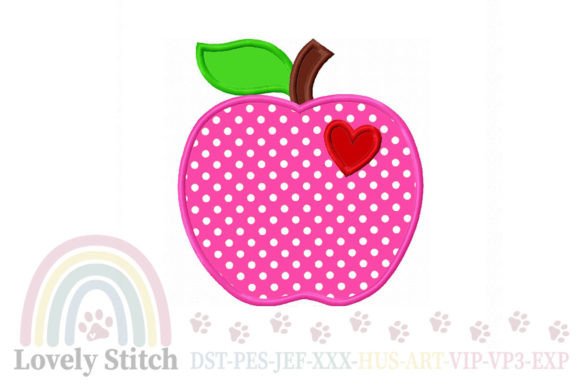
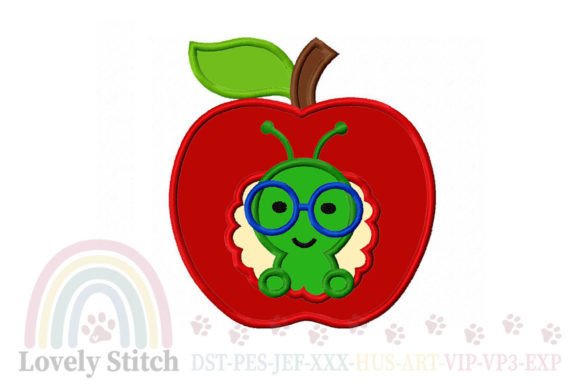
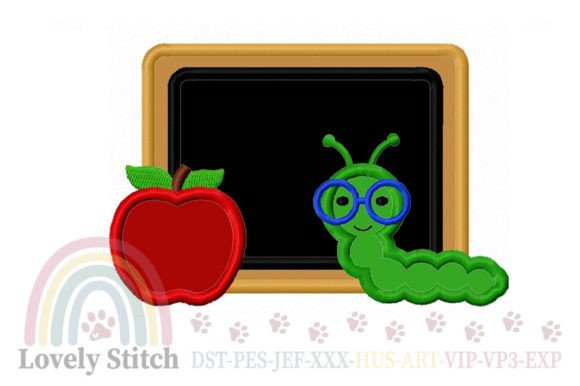
Upon opening the embroidery file, the immediate impression is one of nostalgic warmth. The layout balances the organic curves of an apple with the structured, playful geometry of book elements. For an applique design, this balance is crucial. The visual personality feels handcrafted rather than industrial, which is exactly what buyers in the handmade market are seeking. The charm lies in its ability to evoke anticipation without being overly juvenile, making it versatile for various age groups.
From a technical design perspective, the separation between the appliqué fabric areas and the decorative stitching appears well-considered. A successful satin stitch border must fully encapsulate the raw edge of the fabric without puckering or leaving gaps. In reviewing the Bookworm Applique Embroidery, the pathing seems logical, minimizing unnecessary trims and jumps. This efficiency is vital when you are running multiple units for a craft business or fulfilling custom orders during the busy back-to-school season. The aesthetic is delightful, but the underlying structure suggests it was digitized with actual stitching in mind, not just graphic illustration.
Real-World Application: Stitching a Custom Sweatshirt
To truly evaluate this design, I mentally placed it in a real-life scenario: creating a premium crewneck sweatshirt for an Etsy shop. Sweatshirt embroidery presents specific challenges due to the fleece backing and stretchy knit face. When hooping for this project, the Bookworm Applique Embroidery requires careful stabilization. I would recommend using a medium-weight cutaway stabilizer to prevent the design from distorting the garment's drape. Because this is an appliqué, the tack-down stitches must be secure enough to hold the cotton print fabric against the fleece before the final satin borders are laid down.
In this context, the design serves as a strong focal point. For an Etsy seller, photographing this custom apparel requires attention to texture contrast. The smooth sheen of the embroidery thread against the matte fleece creates a tactile appeal that translates well in photos. However, because sweatshirts are washed frequently, I would advise checking the stitch density. If the fill areas are too dense, the garment becomes stiff and bulletproof; if too sparse, the fleece might show through. This specific design seems to strike a middle ground, but testing on a scrap piece of the exact sweatshirt blank you intend to use is non-negotiable. Customers expect personalized gift items to remain soft and wearable, not heavy and scratchy.
Navigating Fabric Choices and Hoop Limitations
Versatility is key for any digital embroidery file in a commercial library. While this design shines on stable knits, caution is required for other substrates. If you plan to use Bookworm Applique Embroidery on a tote bag design made of canvas, the stability is excellent, and the appliqué will lay flat beautifully. Canvas provides a firm foundation for the satin stitches, resulting in crisp, clean edges that define the "bookworm" character clearly.
However, I would hesitate to use this design on highly textured fabrics like terry cloth or plush minky without significant modification or a topping. The intricate details of the apple stem or book pages could get lost in the pile. Similarly, for baby embroidery projects like onesies, the hoop size matters immensely. Ensure your machine’s smallest hoop can accommodate the full design width without distortion. Baby garments have limited real estate, and placing a large appliqué near a side seam can cause tunneling. Always verify the dimensions of the embroidery project area before committing to a stitch-out. For delicate baby items, you might also consider whether the satin stitch borders are comfortable against sensitive skin, or if a softer running stitch alternative would be more appropriate for wearability.
Commercial Viability and Brand Consistency
For small shop owners and creative entrepreneurs, time is money. The Bookworm Applique Embroidery offers strong potential for commercial embroidery because of its broad seasonal relevance. It fits perfectly into back-to-school collections, teacher appreciation gifts, and literacy-themed merchandise. When building a cohesive brand, this design pairs well with solid color palettes and classic typography. It avoids trendy memes that date quickly, ensuring your inventory remains relevant year after year.
When listing this as part of a handmade product line, presentation is everything. Use the stitched sample to create accurate printable mockup templates for future digital listings. Buyers trust sellers who show real stitch-outs over digital renders. Seeing the actual thread texture and fabric interaction builds confidence in your quality. Furthermore, if you are selling the design assets themselves, ensure you clearly communicate the recommended skill level. Appliqué requires user intervention (placing fabric, trimming), so providing clear instructions alongside the file adds immense value and reduces customer support inquiries.
Critical Technical Notes for Makers
Before you load this file into your machine for a client order or personal keepsake, please adhere to these practical guidelines derived from professional experience:
- Test Stitch First: Never assume default settings work for every machine. Tension varies. Run a test on scrap fabric identical to your final project to check for registration issues between the placement line and the satin border.
- Verify Licensing: Confirm whether your purchase includes commercial rights for finished products versus digital redistribution. Protecting your business starts with respecting intellectual property terms.
- Thread Color Contrast: Test your thread colors against both light and dark appliqué fabrics. A white satin stitch on pale yellow fabric may disappear visually, while the same stitch on navy blue pops. Adjust your palette to ensure the design details remain legible.
- Stabilizer Selection: Match your stabilizer to the fabric weight. Using tear-away on a stretchy knit for this appliqué is a recipe for disaster. Invest in quality cutaway for apparel to ensure longevity.
- Check Small Details: Inspect the digitizing of tiny elements like eyes or leaf veins. If they are single runs, they may break easily. If they are dense columns, they may perforate the fabric. Make manual adjustments in your software if necessary.
Elevating the Finished Product Value
Ultimately, the success of the Bookworm Applique Embroidery depends on the maker's execution. A well-stitched version of this design elevates a basic garment into a cherished holiday embroidery heirloom or a beloved school staple. It communicates care, nostalgia, and craftsmanship. By paying attention to the technical nuances of appliqué placement, fabric compatibility, and stitch integrity, you transform a simple digital file into a profitable and meaningful asset for your creative business. Whether you are crafting for your own child or fulfilling orders for a boutique, treating this design with professional respect ensures the final result honors the charm it was designed to convey.