Smiling Scissors: A Merch Review
As a professional embroidery designer who specializes in commercial branding and small business merchandise, I approach every new machine embroidery design with a critical eye. When evaluating the "Smiling Scissors" asset for potential business use, my focus shifts immediately from simple aesthetics to production viability and brand alignment. While this design is categorized under Back To School supplies, its utility extends far beyond pencil cases. For creative studios, tailoring shops, fabric boutiques, and handmade brands, this motif offers a unique opportunity to humanize a brand identity through custom apparel and accessories.
Visual Personality and Brand Alignment
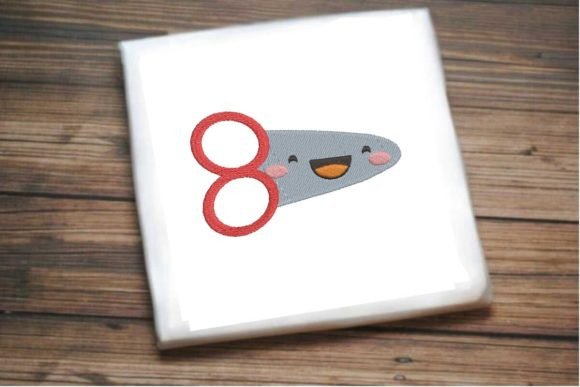
The first impression of Smiling Scissors is undeniably friendly and approachable. In the world of commercial embroidery, tools are often depicted as sterile or purely functional. By adding a face to a utilitarian object, this design instantly communicates a sense of playfulness, creativity, and warmth. For a small business owner, this visual cue is powerful. It suggests that the maker behind the product enjoys their craft. However, as a designer, I must note that this whimsy requires careful placement. It works exceptionally well for businesses targeting families, children, or the DIY community, but it may clash with ultra-luxury or corporate legal branding. The key is understanding where "cute" translates to "trustworthy" in your specific niche.
Real-World Applications for Small Business Merch
When integrating Smiling Scissors into a product line, versatility is paramount. Based on the composition typical of school supply motifs, here is how I envision this embroidery file performing across various business assets:
- Creative Studio Uniforms: For sewing studios, alteration shops, or crafting workshops, this design serves as an excellent chest logo or sleeve accent on staff polo shirts. It identifies employees as creatives while maintaining a cohesive team look.
- Retail Tote Bags: A tote bag design featuring smiling scissors creates an immediate connection with customers browsing fabric or craft stores. It transforms a generic canvas bag into a branded keepsake that customers will reuse, providing free advertising.
- Apron Embroidery: For makers who sell at markets, an apron featuring this motif acts as both protection and a billboard. Placed on the upper bib or lower pocket, it reinforces the handmade nature of the products being sold.
- Embroidered Patches: This design has strong potential as a standalone embroidered patch. These can be sold as add-ons, used as packaging seals on tissue paper, or given as loyalty gifts to repeat customers.
- Cap Embroidery: While possible, cap fronts require significant digitizing adjustments. If the original file is optimized for flat hoops, running it on a curved cap surface without modification could lead to registration issues. Always verify if a cap-specific version exists or if redigitizing is necessary.
Production Considerations and Technical Constraints
A pretty screen image does not always guarantee a successful finished product. As an experienced digitizer, I advise testing specific variables before committing to a bulk order. The description notes the design is "meticulously created," which usually implies clean stitch paths, but real-world fabrics behave differently than digital previews.
Fabric Texture and Stabilizer Selection
The performance of Smiling Scissors will vary drastically depending on the substrate. On smooth cotton twill or canvas, the details of the smile and scissor blades should render crisply. However, on textured fabrics like linen or pique knit, fine details may get lost. You must pair the correct stabilizer with your fabric texture. For lightweight knits, a cut-away stabilizer is non-negotiable to prevent puckering around the dense satin stitches likely found in the facial features. For heavier canvas totes, a tear-away might suffice, but always test first to ensure the design doesn't distort during washing.
Stitch Density and Washability
Branded merchandise endures wear and tear. When reviewing this digital embroidery file, check the stitch density. If the fill areas are too dense, they can cause needle breaks or fabric perforation on lighter materials. Conversely, if the density is too low, the design may look sparse after laundering. For items like aprons and uniforms that require frequent washing, ensure the outline stitches are secure and the thread colors are colorfast. I recommend using high-quality polyester or rayon threads that maintain vibrancy through industrial wash cycles, preserving the brand identity over time.
Strategic Placement and Sizing Warnings
While Smiling Scissors is versatile, there are areas where caution is required. Small patch sizes are particularly tricky. If you intend to scale this down for a 2-inch patch or a label tag, verify that the internal details remain legible. Facial expressions are often the first casualty of resizing; a smile can easily turn into a blob if the minimum stitch length isn't adjusted. Always request or create a size-specific variation rather than simply shrinking the master file.
Additionally, consider contrast against dark uniforms. If your business uses black or navy apparel, ensure the thread colors in the design provide sufficient pop. White outlines or metallic accents can help define the shape against dark backgrounds, preventing the design from disappearing visually. This attention to detail signals professionalism and ensures your small business merch looks intentional, not accidental.
Designer Notes for Commercial Success
Before putting Smiling Scissors into production, follow this professional checklist to ensure quality and compliance:
- Verify Commercial Licensing: Never assume a design is cleared for business use. Confirm the license explicitly allows for selling finished goods or branding merchandise. This protects your business from copyright infringement.
- Create a Printable Mockup: Before stitching, place the design on a printable mockup of your actual product. Share this with stakeholders or clients for approval. Visualizing scale and placement digitally saves costly rework later.
- Test Stitch-Out is Mandatory: Do not skip the sample run. Stitch the design on the exact fabric and with the exact hoop size you plan to use for production. Inspect the backside for excessive jump stitches or bobbin thread show-through.
- Check Hoop Compatibility: Ensure the design dimensions fit comfortably within your machine’s hoop with adequate margin for the presser foot. Crowding the hoop edges leads to tension issues and misalignment.
- Evaluate Beside Other Assets: Compare Smiling Scissors next to your existing logo and design assets. Does the style match? If your main logo is minimalist and geometric, a cartoonish scissor might feel disjointed. Consistency builds customer recognition.
- Black and White Test: Run a grayscale or single-color test to evaluate the structural integrity of the design without relying on color blocking. This reveals if the shading and depth are achieved through stitch direction or merely color changes.
Enhancing Value Through Thoughtful Design
Ultimately, Smiling Scissors represents more than just a decorative element; it is a tool for engagement. In the saturated market of handmade product sales and local services, personality wins. A well-executed embroidery design on a tote bag or apron tells a story of care and attention to detail. When customers see a cheerful, professionally stitched motif, they subconsciously attribute those qualities to the business itself.
However, the success of this machine embroidery design hinges on execution. By respecting technical limitations, choosing appropriate applications, and validating production parameters, you transform a cute graphic into a robust business asset. Whether used for a Back To School promotion or as a permanent fixture on your studio uniforms, Smiling Scissors can effectively bridge the gap between functional branding and emotional connection, provided it is treated with the professional rigor that commercial embroidery demands.